
В современном мире, наполненном технологиями, микроконтроллеры играют незаметную, но критически важную роль. От умных домов и автомобилей до медицинских устройств и промышленной автоматизации — эти крошечные чипы являются сердцем countless электронных систем. Но что именно представляет собой микроконтроллер? Почему он так важен для нашего повседневного быта и будущего технологий? В этой статье мы глубоко погрузимся в мир микроконтроллеров, исследуя их определение, историю, принципы работы, применения и ту незаменимую ценность, которую они приносят человечеству.
Введение в микроконтроллеры
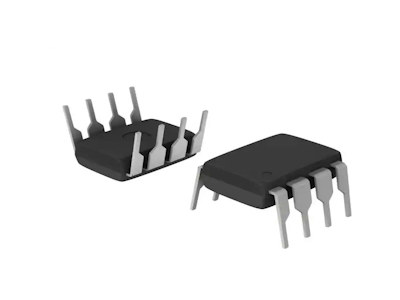
Микроконтроллер (МК) — это компактная интегральная схема, которая сочетает в себе процессор (CPU), память (RAM и ROM), и периферийные устройства на одном кристалле. По сути, это миниатюрный компьютер, предназначенный для управления specific задачами в embedded systems (встраиваемых системах). В отличие от микропроцессоров, которые требуют внешних компонентов для функционирования, микроконтроллеры самодостаточны и оптимизированы для контроля и автоматизации.
Ключевые компоненты микроконтроллера:
- Центральный процессор (CPU) — выполняет инструкции программы.
- Память — включает оперативную память (RAM) для временного хранения данных и постоянную память (ROM или Flash) для хранения программы.
- Периферийные устройства — такие как таймеры, счетчики, аналого-цифровые преобразователи (АЦП), цифро-аналоговые преобразователи (ЦАП), и интерфейсы связи (UART, SPI, I2C).
- Порты ввода/вывода (I/O) — для подключения к внешним устройствам, like sensors and actuators.
История микроконтроллеров началась в 1970-х годах, with the introduction of the Intel 8048, который считается одним из первых коммерчески successful МК. С тех пор технология эволюционировала dramatically, leading to more powerful and energy-efficient designs, such as those based on ARM architecture or popular platforms like Arduino and Raspberry Pi.
Принцип работы микроконтроллера
Работа микроконтроллера основана на выполнении программы, stored in its memory. Программа typically написана на languages like C or Assembly и загружается into the ROM. Когда МК включен, CPU начинает fetching and executing instructions, interacting with peripherals to read inputs (e.g., from a sensor), process data, and control outputs (e.g., to a motor or display).
Например, в простой системе управления temperature, микроконтроллер может continuously read data from a temperature sensor, compare it to a setpoint, and activate a heater or cooler accordingly. This real-time processing capability makes МК ideal for applications requiring quick responses and automation.
Области применения микроконтроллеров
Микроконтроллеры ubiquitous в современных technology. Вот некоторые key areas where they are essential:
- Бытовая электроника: В телевизорах, стиральных машинах, микроволновых печах и пультах дистанционного управления МК обеспечивают intelligent control and user interface.
- Автомобильная промышленность: Они управляют engine control units (ECUs), anti-lock braking systems (ABS), airbags, and infotainment systems, enhancing safety and efficiency.
- Медицина: В устройствах like pacemakers, blood glucose monitors, and diagnostic equipment, МК enable precise monitoring and treatment.
- Промышленная автоматизация: Они used in PLCs (programmable logic controllers), robotics, and conveyor systems to optimize manufacturing processes.
- Internet of Things (IoT): Микроконтроллеры are the backbone of IoT devices, connecting sensors and actuators to the internet for smart homes, cities, and agriculture.
- Игрушки и хобби: Platforms like Arduino and Raspberry Pi have democratized electronics, allowing enthusiasts to create projects from robots to weather stations.
Эти применения демонстрируют, как микроконтроллеры трансформируют industries by enabling automation, reducing costs, and improving reliability.
Почему микроконтроллер так важен?
Важность микроконтроллеров stems from their unique advantages:
- Компактность и интеграция: By combining multiple functions on a single chip, МК reduce size, weight, and power consumption, making them perfect for portable and embedded applications.
- Низкая стоимость: Mass production has made МК affordable, enabling their use in consumer products and large-scale deployments.
- Энергоэффективность: Many МК are designed for low-power operation, extending battery life in devices like wearables and remote sensors.
- Надежность и долговечность: As dedicated systems, they are less prone to crashes compared to general-purpose computers, ensuring consistent performance in critical applications.
- Гибкость и программируемость: Они can be reprogrammed for different tasks, allowing for easy updates and customization.
Moreover, микроконтроллеры drive innovation by empowering developers to create new solutions. For instance, the rise of IoT would not be possible without cheap, connected МК that collect and transmit data. In healthcare, they enable life-saving devices that operate autonomously. In industry, they boost productivity through automation.
Without микроконтроллеров, many modern conveniences—from smart thermostats to autonomous vehicles—would simply not exist. They are the unsung heroes of the digital age, quietly powering progress behind the scenes.
Будущее микроконтроллеров
Технология микроконтроллеров continues to evolve. Trends include:
- Повышенная производительность: With advancements in semiconductor technology, МК are becoming more powerful, capable of handling complex tasks like machine learning on the edge.
- Улучшенная connectivity: Integration of Wi-Fi, Bluetooth, and 5G modules allows for seamless IoT integration.
- Энергетическая эффективность: New designs focus on ultra-low power consumption for sustainable applications.
- Безопасность: Enhanced security features are being added to protect against cyber threats in connected devices.
As we move towards a more automated and interconnected world, the role of микроконтроллеры will only grow, enabling innovations in areas like artificial intelligence, renewable energy, and smart infrastructure.
Заключение
В заключение, микроконтроллер — это фундаментальный компонент modern electronics, offering a blend of processing power, integration, and affordability that makes it indispensable. Его важность lies in its ability to automate tasks, enhance efficiency, and drive technological advancement across numerous sectors. Whether you're a engineer, hobbyist, or simply a user of technology, understanding микроконтроллеры helps appreciate the intricate systems that shape our world. As we look to the future, these tiny chips will continue to be at the forefront of innovation, powering the next generation of smart devices and solutions.
Thank you for reading this in-depth exploration of микроконтроллеры. We hope it has shed light on their significance and inspired you to learn more about this fascinating technology.
Предыдущая статья: Самый мощный чипсет в мире уже здесь
Следующий пост: Почему каждому бизнесу нужны умные решения IoT