

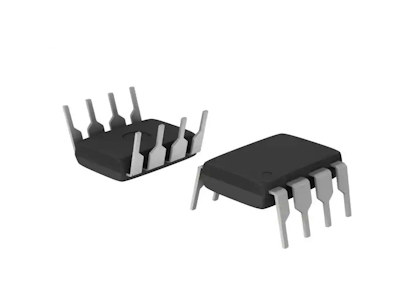
В современном мире, где технологии развиваются с головокружительной скоростью, сенсоры прикосновения стали неотъемлемой частью нашей повседневности. От смартфонов и планшетов до умных домов и автомобилей, эти устройства кардинально трансформируют то, как мы взаимодействуем с окружающей средой. Новая эра сенсоров прикосновения, основанная на передовых инновациях, таких как искусственный интеллект, машинное обучение и Интернет вещей (IoT), обещает не просто улучшить, а полностью переопределить наш пользовательский опыт. В этой статье мы углубимся в детали этой революции, исследуя, как эти технологии работают, их применение в различных сферах, и почему они изменят вашу жизнь навсегда.
Введение в сенсоры прикосновения: от базовых концепций к современным прорывам
Сенсоры прикосновения, или тактильные датчики, — это устройства, которые обнаруживают и реагируют на физическое касание или давление. Их история начинается с простых резистивных и емкостных технологий, которые появились в 1970-х годах и первоначально использовались в промышленных приложениях. Резистивные сенсоры работают на основе изменения сопротивления при нажатии, в то время как емкостные используют электрическое поле для обнаружения прикосновения. Эти ранние версии были ограничены в точности и чувствительности, но заложили основу для будущих инноваций.
С течением времени, технологии эволюционировали. В 2000-х годах, с распространением смартфонов, емкостные сенсоры стали стандартом благодаря своей способности поддерживать multi-touch (мультитач) — функцию, позволяющую одновременно обрабатывать несколько касаний. Это привело к революции в пользовательских интерфейсах, сделав устройства более интуитивными и удобными. Например, iPhone от Apple, представленный в 2007 году, популяризировал сенсорные экраны и показал миру, насколько они могут быть мощными.
Сегодня мы находимся на пороге новой эры, где сенсоры прикосновения интегрируются с искусственным интеллектом (ИИ) и машинным обучением. Эти advanced-сенсоры не просто регистрируют прикосновение; они анализируют его контекст, предсказывают намерения пользователя и адаптируются в реальном времени. Например, сенсоры теперь могут различать легкое касание, жест или даже эмоциональное состояние через биометрические данные. Это стало возможным благодаря микропроцессорам с высокой вычислительной мощностью и алгоритмам, которые обрабатывают огромные объемы данных за миллисекунды.
Ключевым прорывом стало развитие гибких и растяжимых сенсоров. Используя материалы like graphene и полимеры, инженеры создали сенсоры, которые можно интегрировать в одежду, кожу или даже имплантировать в тело. Это открывает двери для applications в здравоохранении, где сенсоры могут мониторить vital signs или assist в реабилитации. Кроме того, ультразвуковые и оптические технологии позволяют сенсорам работать без прямого контакта, detect жесты в воздухе, что особенно полезно в sterile environments like hospitals или в augmented reality (AR) applications.
Новая эра также характеризуется miniaturization и energy efficiency. Современные сенсоры consume меньше энергии, что делает их идеальными для IoT devices, которые должны работать годами на батарейках. Это coupled с advancements in wireless connectivity, such as 5G and Bluetooth Low Energy, ensures that sensors can communicate seamlessly with other devices, creating a interconnected ecosystem.
In summary, the evolution from basic resistive sensors to AI-powered, flexible, and energy-efficient devices marks a paradigm shift. This new era is not just about technology; it's about creating a more intuitive, responsive, and personalized world. As we delve deeper, we'll explore how these innovations are applied across various industries and the profound impact they have on our daily lives.
Технологические основы новой эры сенсоров прикосновения
Чтобы понять, как новая эра сенсоров прикосновения изменяет мир, необходимо разобраться в технологических основах, которые drive эти инновации. Современные сенсоры built на стыке multiple disciplines, включая электронику, materials science, и computer science.
Одной из ключевых технологий является artificial intelligence (ИИ) и machine learning (ML). Эти algorithms позволяют сенсорам не просто detect прикосновение, но и interpret его meaning. For example, в smartphone, ИИ может analyze patterns of touch to predict whether user intends to scroll, tap, or zoom. Это достигается through training models on vast datasets of user interactions, enabling real-time adaptation. В medical applications, ИИ-powered сенсоры can detect abnormalities in touch patterns, such as tremors in patients with Parkinson's disease, providing early warnings to healthcare providers.
Another critical advancement is in materials. Graphene, a single layer of carbon atoms, has emerged as a game-changer due to its exceptional conductivity, flexibility, and strength. Sensors made from graphene are not only highly sensitive but also durable and capable of being integrated into flexible displays or wearable devices. Similarly, piezoelectric materials generate electricity when subjected to mechanical stress, allowing sensors to be self-powering in some cases. This is particularly useful in remote or embedded applications where battery replacement is impractical.
Connectivity plays a vital role. With the advent of 5G networks, sensors can transmit data at ultra-low latency, enabling real-time responses in critical applications like autonomous vehicles or remote surgery. Bluetooth Low Energy (BLE) and other protocols ensure that sensors can operate efficiently in IoT networks, where thousands of devices might be connected simultaneously. This interconnectedness allows for collective intelligence, where sensors share data to optimize overall system performance.
Additionally, advancements in fabrication techniques, such as 3D printing and nanotechnology, have made it possible to produce sensors at microscale, reducing costs and increasing accessibility. For instance, printed electronics allow for mass production of flexible sensors that can be applied to curved surfaces, opening up new possibilities in automotive and aerospace industries.
Security is another aspect that has evolved. As sensors become more integrated into daily life, they handle sensitive data, necessitating robust encryption and privacy measures. New-era sensors often include hardware-based security features to prevent unauthorized access, ensuring that user data remains protected.
In essence, the technological foundations of the new era are built on a convergence of AI, advanced materials, high-speed connectivity, and secure fabrication. These elements work together to create sensors that are smarter, more efficient, and capable of transforming how we interact with technology. As we move forward, these technologies will continue to evolve, pushing the boundaries of what's possible.
Применение в потребительской электронике: смартфоны, планшеты и умные устройства
Потребительская электроника была одной из первых областей, где сенсоры прикосновения получили widespread adoption, и новая эра только усилила эту тенденцию. Сегодня смартфоны и планшеты оснащены advanced сенсорами, которые offer unparalleled user experiences.
In smartphones, touch sensors have evolved beyond simple capacitive screens. Modern devices incorporate force touch or haptic feedback technologies, which can detect different levels of pressure. For example, Apple's 3D Touch and later Haptic Touch allow users to perform actions based on how hard they press the screen. This adds a layer of interactivity, making navigation more intuitive. Additionally, under-display fingerprint sensors use optical or ultrasonic technology to authenticate users without a dedicated button, contributing to sleek, bezel-less designs.
Tablets and laptops have benefited similarly. Touchscreens in devices like the iPad Pro support Apple Pencil, which uses advanced sensors to detect tilt, pressure, and even the angle of the stylus. This enables precise drawing and note-taking, blurring the line between digital and analog创作. In laptops, touchpads have become more sophisticated, with gestures that allow for seamless multitasking, such as pinch-to-zoom or three-finger swipes to switch between apps.
Wearable devices, such as smartwatches and fitness trackers, heavily rely on touch sensors. For instance, the Apple Watch uses a combination of touch and force sensors to navigate interfaces and measure health metrics like heart rate through the skin. These sensors are often coupled with other technologies, such as accelerometers and gyroscopes, to provide a comprehensive user experience. In fitness trackers, touch sensors enable quick interactions without needing to pull out a phone, making them convenient for on-the-go use.
Smart home devices are another area where touch sensors shine. Thermostats like Nest use touch interfaces for adjustment, while smart speakers like Amazon Echo have touch-sensitive surfaces for volume control or muting. These sensors are designed to be responsive even in low-light conditions or when users have wet hands, thanks to advancements in capacitive technology.
The integration of AI in consumer electronics takes touch sensors to the next level. For example, smartphones can learn user habits and anticipate actions, such as opening frequently used apps with a specific gesture. This personalization enhances usability and reduces the cognitive load on users.
Moreover, the new era emphasizes sustainability. Manufacturers are developing touch sensors that are more energy-efficient, extending battery life in portable devices. Some are even exploring biodegradable materials to reduce electronic waste.
In summary, the application of new-era touch sensors in consumer electronics has led to devices that are not only more functional but also more intuitive and personalized. As technology continues to advance, we can expect even tighter integration, with sensors becoming invisible yet omnipresent in our daily tools.
Роль в Интернете вещей (IoT) и умных городах
Интернет вещей (IoT) представляет собой сеть interconnected devices, которые collect and exchange data, и сенсоры прикосновения играют crucial role в этом ecosystem. В умных городах, эти сенсоры enable seamless interactions между людьми и infrastructure, делая urban environments более efficient и livable.
In smart homes, touch sensors are integrated into various appliances, from light switches to refrigerators. For example, a touch-sensitive light switch can adjust brightness based on the pressure applied, while a smart fridge might have a touch screen for inventory management or recipe suggestions. These sensors often work in tandem with voice assistants and other IoT devices to create a cohesive smart home experience. The data collected from touch interactions can be analyzed to optimize energy usage, such as turning off lights when no one is in the room, contributing to sustainability.
Smart cities leverage touch sensors in public infrastructure. Interactive kiosks equipped with touch screens provide information on public transportation, local events, or emergency services. These kiosks use durable, weather-resistant sensors to withstand outdoor conditions. Additionally, touch sensors in public transportation systems, like ticket machines or bus stop displays, enhance user convenience by allowing quick and intuitive interactions.
In urban planning, touch sensors are used in traffic management systems. For instance, crosswalk buttons with touch sensors can detect pedestrian presence and adjust traffic light timing accordingly, improving safety and flow. Similarly, parking meters with touch interfaces make it easier for drivers to pay and find available spots, reducing congestion.
The IoT aspect amplifies the impact of touch sensors through connectivity. Data from multiple sensors can be aggregated in cloud platforms, where AI algorithms analyze patterns to make predictive adjustments. For example, in a smart grid, touch-sensitive controls in homes can communicate with utility companies to balance energy demand, preventing blackouts.
Security and privacy are paramount in IoT applications. Touch sensors in smart cities often include encryption and anonymization techniques to protect user data. For instance, interactive displays might not store personal information, ensuring that interactions remain confidential.
Looking ahead, the integration of touch sensors with 5G and edge computing will enable real-time processing at the device level, reducing latency and enhancing responsiveness. This is critical for applications like autonomous vehicles, where touch interfaces in-car infotainment systems must react instantly to driver inputs.
In conclusion, touch sensors are a cornerstone of IoT and smart cities, facilitating interactions that make urban life more efficient, safe, and enjoyable. As IoT networks expand, the role of these sensors will only grow, driving innovation in how we manage and interact with our environments.
Инновации в здравоохранении: от диагностики до реабилитации
Здравоохранение — одна из наиболее promising областей для применения новых сенсоров прикосновения. Эти технологии revolutionise how medical professionals diagnose, monitor, and treat patients, offering non-invasive, accurate, and continuous solutions.
In diagnostics, touch sensors are used in devices like digital stethoscopes or ultrasound machines, where they enhance the precision of examinations. For example, wearable patches with touch sensors can monitor vital signs such as heart rate, blood pressure, and skin temperature in real-time. These sensors use advanced materials that are biocompatible and flexible, allowing them to be worn for extended periods without discomfort. Data collected can be transmitted to healthcare providers via IoT networks, enabling remote patient monitoring and early detection of issues like arrhythmias or infections.
Surgical applications have seen significant advancements. Touch sensors in robotic surgery systems provide haptic feedback to surgeons, allowing them to "feel" the tissues they are operating on, even when performing procedures remotely. This improves precision and reduces the risk of errors. Additionally, touch-sensitive gloves used in surgeries can detect minute movements and pressures, assisting in delicate operations.
Rehabilitation is another area where touch sensors make a impact. Devices like prosthetic limbs equipped with touch sensors can restore a sense of touch to amputees. These sensors detect pressure and texture, sending signals to the brain via neural interfaces, enabling users to interact with their environment more naturally. In physical therapy, touch-sensitive mats or wearables can guide patients through exercises, providing feedback on form and progress. For instance, a sensor-lined glove might help stroke patients regain motor skills by tracking finger movements and offering corrective suggestions.
Mental health applications are emerging as well. Touch sensors in devices like stress balls or wearables can monitor physiological responses to stress, such as skin conductance, and trigger interventions like breathing exercises or notifications to seek help. This is particularly useful in managing conditions like anxiety or PTSD.
The integration of AI with touch sensors in healthcare allows for personalized medicine. Algorithms analyze data from sensors to tailor treatments based on individual responses. For example, in diabetes management, a touch sensor on a continuous glucose monitor can predict blood sugar trends and suggest insulin doses, improving patient outcomes.
Challenges remain, such as ensuring data security and regulatory compliance. Medical touch sensors must adhere to strict standards like HIPAA or GDPR to protect patient privacy. However, ongoing research is addressing these issues, with developments in encrypted data transmission and secure storage.
In summary, the new era of touch sensors in healthcare is transforming patient care by making it more proactive, precise, and accessible. As technology advances, we can expect even more innovative applications, such as implantable sensors for long-term monitoring or AI-driven diagnostics that outperform traditional methods.
Влияние на автомобильную промышленность и транспорт
Автомобильная промышленность rapidly adopts новые сенсоры прикосновения to enhance safety, convenience, and the overall driving experience. From infotainment systems to autonomous driving, these sensors are becoming integral to modern vehicles.
In-car infotainment systems, touch sensors have replaced physical buttons and knobs, offering sleek, customizable interfaces. Modern dashboards feature large touch screens that control everything from navigation to climate settings. These sensors are designed to be responsive even while driving, with haptic feedback that provides tactile confirmation to reduce distractions. For example, Tesla's touchscreen interface allows drivers to adjust settings with a simple touch, while advanced systems can recognize gestures, such as swiping to change music tracks.
Safety applications are paramount. Touch sensors are used in steering wheels or seats to detect driver presence and alertness. If a sensor detects no hand contact for a period, it might trigger warnings or even initiate autonomous driving modes to prevent accidents. Additionally, touch sensors in child safety seats can monitor if a child is properly secured, sending alerts to parents' smartphones.
Autonomous vehicles rely heavily on sensors, including touch-based ones, for interaction with passengers. Interior touch panels allow passengers to control entertainment, lighting, or even summon the vehicle to a specific location. These sensors are often combined with voice recognition for a multimodal interface that enhances usability.
In public transportation, touch sensors improve passenger experience. Ticket validation machines, door controls, and information displays use touch interfaces for quick and easy interactions. For instance, touch-sensitive handles on buses can count passengers or detect overcrowding, helping operators manage capacity.
The integration with IoT enables vehicles to communicate with infrastructure. Touch sensors in smart traffic lights or road signs can interact with cars to optimize traffic flow. For example, a touch-sensitive crosswalk button might communicate with approaching vehicles to ensure they stop safely.
Future trends include the development of self-healing touch surfaces that repair minor scratches automatically, extending the lifespan of automotive interiors. Moreover, as electric vehicles become more prevalent, touch sensors will play a role in charging stations, allowing for intuitive payment and status monitoring.
However, challenges such as cybersecurity must be addressed. Touch sensors in cars are connected to networks that could be vulnerable to hacking, necessitating robust encryption and regular updates.
In conclusion, touch sensors are driving innovation in the automotive industry, making vehicles smarter, safer, and more user-friendly. As we move towards fully autonomous transportation, these sensors will be crucial in shaping the future of mobility.
Будущие тренды и этические соображения
Будущее сенсоров прикосновения充满 possibilities, но также raises important ethical questions. As technology advances, we can expect several key trends to emerge, while must address concerns related to privacy, security, and societal impact.
One major trend is the proliferation of ubiquitous computing, where touch sensors become invisible yet omnipresent. Imagine walls that respond to touch to control lighting, or clothing with integrated sensors that monitor health and adjust to environmental conditions. This will be enabled by advancements in flexible electronics and energy harvesting, allowing sensors to be embedded in everyday objects without needing external power sources.
Another trend is the integration with augmented reality (AR) and virtual reality (VR). Touch sensors will evolve to provide haptic feedback in virtual environments, allowing users to "feel" digital objects. For instance, AR glasses with touch-sensitive frames could control interfaces with gestures, while VR gloves with advanced sensors could simulate textures and forces, enhancing immersion in gaming or training simulations.
AI will continue to play a central role, with sensors becoming more predictive and contextual. Future touch sensors might anticipate user needs based on historical data, such as automatically adjusting device settings when they detect fatigue or stress. This could lead to highly personalized experiences but also requires careful handling of personal data.
Ethical considerations are critical. As touch sensors collect more intimate data—such as biometric information or behavioral patterns—issues of privacy and consent arise. There is a risk of surveillance or misuse by corporations or governments. For example, touch sensors in public spaces could be used to track individuals without their knowledge, leading to concerns about freedom and autonomy.
Security is another ethical challenge. With increased connectivity, touch sensors are vulnerable to cyber attacks. A hacked sensor in a medical device or vehicle could have life-threatening consequences. Therefore, developing secure-by-design sensors and implementing strict regulations is essential.
Accessibility must also be considered. While touch sensors offer new ways to interact, they might exclude people with disabilities, such as those with motor impairments who cannot use touch interfaces easily. Innovations like voice control or brain-computer interfaces should be developed in tandem to ensure inclusivity.
Societal impact includes job displacement. As touch sensors automate tasks in industries like manufacturing or retail, there may be reduced need for human labor. However, they could also create new opportunities in tech development and maintenance.
To navigate these challenges, collaboration between technologists, policymakers, and ethicists is necessary. Establishing guidelines for data usage, ensuring transparency, and promoting education about technology can help maximize benefits while minimizing risks.
In summary, the future of touch sensors is bright with innovation, but it must be guided by ethical principles to ensure that these technologies enhance rather than diminish human well-being. As we embrace this new era, thoughtful consideration of these issues will be key to shaping a positive future.
Заключение: как подготовиться к новой эре
Новая эра сенсоров прикосновения уже здесь, и она fundamentally изменит то, как мы live, work, and interact. От consumer electronics до healthcare и smart cities, эти технологии offer unprecedented opportunities for efficiency, personalization, and innovation.
To prepare for this shift, individuals and organizations should embrace lifelong learning. Understanding the basics of IoT, AI, and sensor technology can help people adapt to new devices and interfaces. For businesses, investing in research and development is crucial to stay competitive. Companies that integrate advanced touch sensors into their products will likely lead the market in user experience.
Governments and regulatory bodies play a role in ensuring that the deployment of these technologies is safe and ethical. Policies should encourage innovation while protecting privacy and security. Public awareness campaigns can educate people about the benefits and risks, empowering them to make informed choices.
On a personal level, being open to change is key. Experiment with new devices that incorporate touch sensors, and provide feedback to manufacturers to drive improvements. Additionally, consider the environmental impact—opting for energy-efficient devices and supporting recycling initiatives can contribute to sustainability.
In the long term, the new era of touch sensors will likely blur the lines between physical and digital worlds, creating a more interconnected and intuitive existence. By preparing now, we can harness these technologies to improve quality of life and address global challenges like healthcare access and urban efficiency.
In conclusion, the revolution in touch sensors is not just a technological advancement; it's a societal transformation. Embrace it with curiosity and caution, and you'll find that it truly has the power to change your life forever.
Предыдущая статья: РаскройтеПотенциалПрограммированияСНашимКомплектом
Следующий пост: Набор для оценки попробуйте и убедитесь в его эффективности