

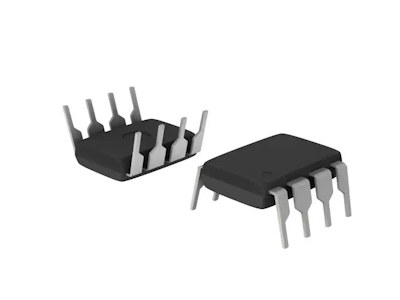
Введение в тему: Последовательные порты, такие как RS-232 и UART, остаются фундаментальными компонентами в современной электронике, несмотря на появление более быстрых интерфейсов, таких как USB и Ethernet. Их простота, надежность и низкая стоимость делают их незаменимыми в различных приложениях, от промышленной автоматизации до интернета вещей (IoT). Однако производительность устройств может значительно варьироваться в зависимости от характеристик используемых модулей последовательного порта. В этой статье мы подробно исследуем, как эти модули влияют на общую производительность, рассматривая технические детали, факторы влияния и способы оптимизации.
Исторический контекст: Последовательные порты появились еще в 1960-х годах и с тех пор эволюционировали, адаптируясь к новым требованиям. Изначально они использовались для связи между компьютерами и периферийными устройствами, такими как модемы и принтеры. Сегодня они находят применение в embedded-системах, где важна стабильность и низкое энергопотребление. Понимание этой истории помогает оценить их текущую роль в производительности устройств.
Основные типы последовательных портов: Наиболее распространенные типы включают RS-232, RS-485, и UART (Universal Asynchronous Receiver/Transmitter). RS-232, например, работает на напряжениях до ±15 В и поддерживает скорости до 115.2 кбит/с, что делает его подходящим для коротких расстояний. RS-485, с другой стороны, использует дифференциальную передачу, позволяющую работать на больших расстояниях до 1200 метров и поддерживать множественные устройства на одной линии. UART является базовым компонентом для реализации последовательной связи во многих микроконтроллерах. Каждый тип имеет свои преимущества и недостатки, влияющие на производительность: RS-232 прост, но ограничен по скорости и расстоянию; RS-485 более надежен в шумных средах, но требует дополнительных компонентов; UART интегрирован в чипы, что снижает стоимость, но может ограничивать гибкость.
Факторы, влияющие на производительность: Производительность устройств зависит от нескольких ключевых аспектов модулей последовательного порта. Скорость передачи данных (baud rate) является критическим параметром; higher speeds allow for faster communication but require more processing power and can introduce errors if not properly synchronized. For example, a device using a UART at 9600 baud might be sufficient for simple sensor readings, but for high-data applications like video streaming, speeds of 1 Mbaud or more are necessary, which can strain the microcontroller's resources. Another factor is latency; serial communication involves start and stop bits, which add overhead. In real-time systems, such as industrial control, high latency can lead to delays in response, reducing overall efficiency. Additionally, error handling mechanisms, like parity bits or CRC checks, impact performance by adding computational load but improving reliability. In noisy environments, modules with built-in error correction, such as those in RS-485, can maintain performance where others might fail.
Влияние на различные типы устройств: В промышленных устройствах, таких как PLC (Programmable Logic Controllers), последовательные порты often used for communication with sensors and actuators. A well-optimized module can enhance response times and reliability, critical for automation processes. For instance, in a manufacturing line, a delay of even milliseconds due to poor serial communication could cause production issues. In IoT devices, which are often battery-powered, the power consumption of serial modules is a major concern. UART-based modules typically consume less power compared to wireless alternatives like Wi-Fi, but their performance must be balanced with energy efficiency. A study might show that using a low-baud-rate UART can extend battery life by 20%, but at the cost of slower data transmission. Consumer electronics, such as smart home devices, rely on serial ports for firmware updates and debugging. Here, performance is measured by user experience; fast and reliable communication ensures smooth operation and customer satisfaction.
Технические детали и оптимизация: To maximize performance, designers must consider hardware and software aspects. On the hardware side, choosing the right type of serial module is crucial. For high-speed applications, RS-485 or modern variants like USB-to-serial converters might be preferred. The quality of components, such as crystals for clock generation, affects signal integrity; a stable clock reduces jitter and errors. On the software side, efficient driver implementation can minimize CPU usage. For example, using DMA (Direct Memory Access) for data transfer offloads the processor, allowing it to handle other tasks and boosting overall device performance. Buffer sizes in the UART hardware also play a role; larger buffers can handle bursty data traffic better, reducing the risk of data loss. Additionally, protocol optimization, such as using binary data instead of ASCII, can increase throughput by reducing the number of bits transmitted.
Сравнение с другими интерфейсами: Serial ports are often compared to parallel interfaces and modern standards like USB and Ethernet. Parallel ports, while faster in theory due to multiple data lines, are more complex and prone to skew issues, making them less reliable over distance. USB offers higher speeds (up to 10 Gb/s for USB 3.2) and plug-and-play convenience, but it requires more power and is overkill for simple devices. Ethernet provides network capabilities and high speed, but it is costlier and more complex to implement. In many cases, serial ports strike a balance between simplicity, cost, and adequate performance, especially in embedded systems where resources are limited. For instance, in a remote sensor node, a serial module might be the optimal choice due to its low power and simplicity, even if it means slower data rates.
Практические примеры и тестирование: To illustrate the impact, consider a case study of a weather station using a UART module for data transmission from sensors to a central unit. By testing different baud rates, it was found that at 19200 baud, the system achieved a data accuracy of 99.9% with minimal power consumption, whereas at 115200 baud, errors increased due to noise, but throughput was higher. Another example is in automotive systems, where CAN bus (a serial protocol) is used for communication between ECUs (Electronic Control Units). Optimizing the serial parameters here ensures real-time performance critical for safety. Testing methodologies include using oscilloscopes to measure signal quality and software tools to monitor data throughput and error rates. Best practices involve thorough testing in the intended environment to identify and mitigate issues early.
Заключение и будущие тенденции: В заключение, модули последовательного порта оказывают значительное влияние на производительность устройств, определяя скорость, надежность и энергоэффективность. Несмотря на развитие более advanced interfaces, serial ports remain relevant due to their robustness and cost-effectiveness. Future trends might include integration with wireless technologies, such as Bluetooth serial profiles, or enhancements in semiconductor technology that allow for higher speeds and lower power consumption. For designers, the key is to carefully select and optimize serial modules based on specific application requirements to achieve the best performance. As IoT and industrial automation continue to grow, the role of serial communication will evolve, but its core principles will likely endure, emphasizing the importance of understanding these modules for device performance.
Дополнительные ресурсы: For further reading, consider standards documents from organizations like IEEE or practical guides on embedded systems design. Tools like logic analyzers and simulation software can aid in performance analysis. Remember, always test in real-world conditions to ensure optimal results.
Предыдущая статья: Секреты быстрой настройки сетевого модуля за 5 шагов
Следующий пост: Спасение техники от сгорания с помощью уникальной защиты от перегрузки