
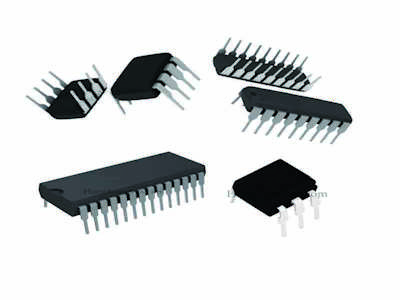
В мире технологий немногие изобретения оказали столь глубокое влияние, как EEPROM (Electrically Erasable Programmable Read-Only Memory). Эта скромная, но мощная форма энергонезависимой памяти произвела революцию в том, как мы храним и управляем данными, проложив путь для бесчисленных инноваций в электронике, вычислениях и повседневных устройствах. В этой статье мы исследуем историю, механизмы, преимущества и долговременное воздействие EEPROM, демонстрируя, почему она навсегда изменила ландшафт хранения данных.
Исторический контекст: до EEPROM
До появления EEPROM хранение данных в электронных устройствах было ограниченным и часто громоздким. Ранние формы памяти, такие как магнитные сердечники и PROM (Programmable Read-Only Memory), требовали физического вмешательства для программирования и не позволяли стирания. EPROM (Erasable Programmable Read-Only Memory) появилась как улучшение, но её стирание требовало воздействия ультрафиолетового света, что было непрактично для частых изменений. Это создавало потребность в более гибком решении, которое могло бы быть перепрограммировано электрически, без необходимости в специализированном оборудовании.
Рождение EEPROM: технологический прорыв
EEPROM была разработана в конце 1970-х годов, с ключевыми патентами, поданными компаниями like Intel и другими пионерами полупроводников. Основной принцип EEPROM заключается в использовании плавающего затвора транзистора, который может быть заряжен или разряжен электрическими импульсами, позволяя данные быть записанными, стёртыми и перезаписанными многократно. Это было кардинальным отходом от предыдущих технологий, предлагая беспрецедентную гибкость. Ранние реализации, такие как Intel 2816, демонстрировали возможность стирания отдельных байтов, а не всей памяти сразу, что further enhanced its utility.
Как работает EEPROM: внутренние механизмы
На фундаментальном уровне EEPROM использует MOSFET транзисторы с плавающим затвором. При программировании, высокое напряжение applied to the control gate injects electrons into the floating gate, changing the threshold voltage и effectively storing a bit of data (typically a '0' or '1'). Стирание involves applying a reverse voltage to remove the electrons. Этот процесс электрически управляем, что делает его быстрым и удобным compared to UV erasure in EPROM. However, EEPROM has limitations in terms of endurance—typically around 100,000 to 1,000,000 write/erase cycles—due to wear on the oxide layer, but this was a significant improvement over its predecessors.
Преимущества EEPROM над предыдущими технологиями
EEPROM introduced several key advantages that forever altered data storage. First, its electrical erasability meant that devices could be updated in the field without physical disassembly, enabling firmware updates, configuration changes, and data logging in real-time. Second, its non-volatility ensured that data persisted even when power was removed, crucial for applications like BIOS settings in computers or calibration data in industrial equipment. Third, the ability to rewrite individual bytes provided fine-grained control, reducing the need for bulk erasures and improving efficiency. Compared to EPROM, EEPROM was smaller, more reliable, and easier to integrate into systems.
Влияние на электронику и вычисления
Внедрение EEPROM катапультировало развитие numerous electronic domains. In computing, it became the backbone for BIOS chips, allowing PCs to store and update boot configurations effortlessly. In embedded systems, EEPROM enabled microcontrollers to retain user settings, program code, and historical data, facilitating the rise of smart devices. Consumer electronics, such as digital cameras and smartphones, leveraged EEPROM for storing preferences and small amounts of critical data. Its role in automotive systems for storing mileage and fault codes, or in medical devices for patient data, underscored its versatility and reliability.
EEPROM и эволюция в флеш-память
EEPROM непосредственно проложила путь для флеш-памяти, another revolutionary storage technology. Flash memory, developed in the 1980s, is essentially a variant of EEPROM that allows block-wise erasure, making it more efficient for large-scale storage but sacrificing byte-level addressability. This evolution enabled devices like USB drives, SSDs, and memory cards, which have become ubiquitous. However, EEPROM remains relevant in applications where fine-grained updates are necessary, such as in EEPROM-based SD cards or specialized ICs. The symbiotic relationship between EEPROM and flash highlights how EEPROM's principles continue to influence modern storage.
Современные применения и relevance
Сегодня EEPROM широко используется в myriad applications. In IoT devices, it stores device identifiers and network configurations. In automotive systems, it holds ECU (Engine Control Unit) parameters. Industrial automation relies on it for machine settings and log data. Even in everyday items like remote controls or smart meters, EEPROM ensures persistent storage. Advances have led to higher densities, lower power consumption, and integration with other components, such as in SoCs (System on a Chip). Despite competition from newer memories like FRAM or MRAM, EEPROM's cost-effectiveness and maturity keep it a staple in the industry.
Будущее EEPROM и тенденции
Looking ahead, EEPROM continues to evolve. Research focuses on improving endurance through better materials, reducing cell size for higher density, and enhancing energy efficiency for battery-powered devices. Its role may shift towards niche applications as emerging technologies like 3D XPoint or quantum storage advance, but the foundational concepts of EEPROM will persist. The trend towards more intelligent and connected devices ensures that EEPROM-like functionality will remain critical, perhaps in hybrid forms combining the best of multiple memory types.
Заключение: неизгладимый след
EEPROM не просто изменила хранение данных; она переопределила возможности электроники, обеспечивая гибкость, надежность и удобство, которые мы сегодня принимаем как должное. От своих скромных начал до pervasive presence в современной tech, EEPROM stands as a testament to human ingenuity. Its legacy is evident in every device that stores data without power, every system that updates seamlessly, and every innovation that builds upon its principles. As we move into an era of big data and AI, the lessons from EEPROM's revolution will continue to guide future advancements, ensuring that its impact on data storage is indeed forever changed.
В целом, EEPROM represents a pivotal moment in technological history, bridging the gap between rigid, immutable storage and the dynamic, rewritable world we inhabit today. Its influence extends beyond hardware into software and user experience, making it a cornerstone of the digital age. Whether in a vintage computer or a cutting-edge smartphone, the spirit of EEPROM lives on, reminding us that sometimes the smallest components drive the biggest changes.
Предыдущая статья: Что такое модули осциллографа и как они работают
Следующий пост: Как эффективно протестировать модуль и избежать ошибок