

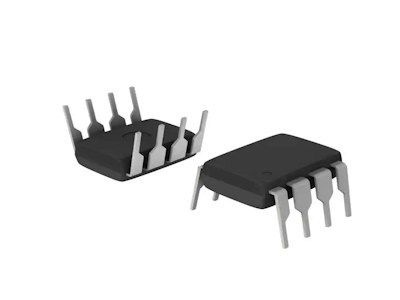
В мире, где технологии развиваются с головокружительной скоростью, магнитные датчики стали незаметными, но критически важными героями, двигающими прогресс вперед. От смартфонов в наших карманах до беспилотных автомобилей на дорогах, эти устройства играют ключевую роль в преобразовании нашей повседневной жизни. Их способность точно измерять магнитные поля открыла двери для инноваций, которые когда-то казались научной фантастикой. В этой статье мы глубоко погрузимся в мир магнитных датчиков, исследуя их историю, принципы работы, разнообразные типы, и как они формируют настоящее и будущее технологий. Мы рассмотрим их применение в автомобильной промышленности, потребительской электронике, медицине, робототехнике и многом другом, а также обсудим вызовы и перспективы, которые ждут нас впереди. Приготовьтесь к захватывающему путешествию, которое покажет, почему магнитные датчики – это не просто компоненты, а фундамент следующей технологической революции.
Введение в магнитные датчики: что это такое и почему они важны
Магнитные датчики – это устройства, которые обнаруживают и измеряют магнитные поля, преобразуя их в электрические сигналы. Их важность проистекает из универсальности: они могут использоваться для определения положения, скорости, направления и даже наличия объектов без физического контакта. Это делает их идеальными для приложений, требующих высокой точности, надежности и миниатюризации. История магнитных датчиков началась с открытия эффекта Холла в 1879 году, но настоящий расцвет пришелся на последние десятилетия, благодаря advancements в микроэлектронике и материаловедении. Сегодня, они являются неотъемлемой частью индустрии 4.0, Интернета вещей (IoT) и умных городов, обеспечивая сбор данных, необходимых для автоматизации и оптимизации процессов. Их влияние на современные технологии невозможно переоценить – они enable всё, от улучшенной навигации до продвинутых медицинских диагностик, и продолжают push границы того, что возможно.
Принципы работы магнитных датчиков: от базовой физики к сложным приложениям
Основой работы магнитных датчиков является взаимодействие между магнитными полями и материалами. Самый известный принцип – эффект Холла, где напряжение возникает поперек проводника, когда через него протекает ток, и он подвергается perpendicular магнитному полю. Этот эффект позволяет измерять магнитную индукцию с высокой точностью. Другие принципы включают магниторезистивные эффекты, такие как анизотропное магнитосопротивление (AMR), гигантское магнитосопротивление (GMR) и туннельное магнитосопротивление (TMR), где сопротивление материала изменяется под воздействием магнитного поля. Эти эффекты leveraged в датчиках для достижения更高的 чувствительности и разрешения. Например, GMR-датчики, открытые в 1988 году, revolutionized хранение данных, позволив создавать жесткие диски с огромной емкостью. Понимание этих принципов crucial для разработки приложений, начиная от простых выключателей до сложных систем навигации в аэрокосмической отрасли. Современные датчики often combine multiple principles для улучшения performance, such as integration with CMOS technology, enabling miniaturization and low-power operation.
Типы магнитных датчиков: обзор ключевых технологий
Существует несколько основных типов магнитных датчиков, каждый со своими уникальными характеристиками и приложениями. Датчики Холла – наиболее распространенные, offering хорошую линейность и простоту, используемые в automotive for position sensing and in consumer electronics for detecting lid closures. Magneto resistive sensors, including AMR, GMR, and TMR, provide higher sensitivity and are ideal for applications requiring precise measurements, such as in medical imaging or industrial automation. Fluxgate sensors are used for measuring weak magnetic fields, common in geophysical explorations and space missions. Other types include magneto inductive sensors, which use changes in inductance, and SQUIDs (Superconducting Quantum Interference Devices), the most sensitive magnetic sensors available, used in research for detecting extremely faint signals. The choice of sensor type depends on factors like range, sensitivity, power consumption, and cost. For instance, in smartphones, Hall effect sensors are used for compass functionality, while in autonomous vehicles, a combination of sensors ensures robust navigation. The diversity of types allows magnetic sensors to be tailored to specific needs, driving innovation across industries.
Применение в автомобильной промышленности: безопасность, эффективность и автономия
Автомобильная промышленность – один из крупнейших потребителей магнитных датчиков, где они играют vital роль в enhancing безопасности, эффективности и moves towards autonomy. In anti-lock braking systems (ABS), magnetic sensors monitor wheel speed, preventing skidding and improving control. In electric power steering, they provide feedback on torque and position, enabling smoother and more responsive driving. For transmission systems, sensors detect gear position, ensuring seamless shifts. The advent of autonomous vehicles has further amplified their importance: magnetic sensors are used in combination with cameras, lidar, and radar for precise localization and object detection. For example, they help in dead reckoning when GPS signals are weak, by measuring vehicle movement relative to the Earth's magnetic field. Additionally, in electric vehicles, sensors monitor battery performance and motor operation, optimizing energy usage. The reliability and durability of magnetic sensors make them suitable for harsh automotive environments, contributing to reduced emissions and improved fuel economy through better engine management. As the industry evolves towards connected and self-driving cars, the demand for advanced magnetic sensors will only grow, making them a cornerstone of automotive innovation.
Роль в потребительской электронике: от смартфонов к умным домам
В потребительской электронике магнитные датчики ubiquitous, enabling features that enhance user experience and functionality. In smartphones, they are used in digital compasses for navigation apps, providing orientation data that complements GPS. They also detect when a flip cover is closed, turning off the screen to save power. In laptops, sensors ensure that the device enters sleep mode when the lid is shut. Beyond mobile devices, magnetic sensors are integral to smart homes: in door and window sensors, they detect openings for security systems, and in smart appliances, they monitor positions for automation, such as in refrigerators or washing machines. Wearables like fitness trackers use them for step counting and activity monitoring by sensing movement relative to magnetic fields. The miniaturization and low power consumption of modern sensors have made this possible, allowing for longer battery life and smaller form factors. As IoT expands, magnetic sensors will continue to be key enablers, connecting physical world actions to digital systems, and driving the trend towards seamless, intelligent living environments.
Медицинские применения: диагностика, лечение и мониторинг
Медицинская field has greatly benefited from magnetic sensors, particularly in diagnostics, treatment, and patient monitoring. Magnetic resonance imaging (MRI) machines rely on powerful magnets and sensors to create detailed images of the body's interior, aiding in the detection of diseases like cancer. In minimally invasive surgeries, magnetic sensors guide instruments with high precision, reducing risks and recovery times. For example, in capsule endoscopy, a patient swallows a pill-sized camera with magnetic sensors, allowing doctors to track its position through the digestive tract. Implantable devices, such as pacemakers, use sensors to monitor heart activity and adjust therapy accordingly. Additionally, magnetic sensors are used in lab-on-a-chip devices for point-of-care testing, enabling rapid and accurate analyses of blood or other samples. The non-invasive nature of magnetic sensing makes it ideal for medical applications, as it avoids radiation exposure and is safe for continuous use. As technology advances, we can expect even more innovative uses, such as in neural interfaces for treating neurological disorders, further solidifying the role of magnetic sensors in improving healthcare outcomes.
Вклад в робототехнику и автоматизацию: точность и адаптивность
Робототехника и automation heavily depend on magnetic sensors for achieving precision, adaptability, and autonomy. In industrial robots, sensors provide feedback on joint positions and movements, ensuring accurate assembly and manipulation of objects. Collaborative robots (cobots) use magnetic sensors for safe interaction with humans, by detecting proximity and adjusting force accordingly. In automated guided vehicles (AGVs), sensors aid in navigation by following magnetic tapes or markers on floors, enabling efficient material handling in warehouses and factories. Magnetic encoders, a type of sensor, offer high-resolution position feedback in motors and actuators, critical for applications like CNC machining or 3D printing. The robustness of magnetic sensors in dirty or harsh environments makes them preferable over optical alternatives. Moreover, in soft robotics, emerging technologies use magnetic fields for control and sensing, allowing for deformable and versatile robots. As automation spreads to more sectors, from agriculture to logistics, magnetic sensors will be essential for creating intelligent systems that can perceive and respond to their surroundings, driving productivity and innovation.
Влияние на Интернет вещей (IoT) и умные города
Интернет вещей (IoT) и умные города rely on sensors to collect data from the physical world, and magnetic sensors are a key component in this ecosystem. In smart grids, they monitor current and voltage in power lines, helping to optimize energy distribution and prevent outages. For traffic management, sensors embedded in roads detect vehicle presence and speed, enabling adaptive signal control and reducing congestion. In environmental monitoring, magnetic sensors can detect changes in Earth's magnetic field caused by pollution or geological activities, providing early warnings for disasters. In building automation, they control access systems, such as magnetic locks, and monitor equipment status for maintenance. The low power requirements and wireless capabilities of modern magnetic sensors make them ideal for IoT deployments, where devices need to operate for years on batteries. As cities become smarter, the integration of magnetic sensors with other technologies like AI and cloud computing will enable real-time decision-making, improving efficiency, sustainability, and quality of life. This synergy is paving the way for a connected future where every object can communicate and contribute to a smarter world.
Экологические и устойчивые аспекты: как магнитные датчики способствуют зеленым технологиям
Магнитные датчики play a significant role in promoting environmental sustainability and green technologies. In renewable energy systems, such as wind turbines, they monitor blade position and generator performance, maximizing energy output and reducing downtime. For solar power installations, sensors help in tracking the sun's movement for optimal panel orientation. In electric vehicles, as mentioned earlier, they contribute to efficient energy use, lowering carbon emissions. Additionally, magnetic sensors are used in waste management systems to detect fill levels in bins, optimizing collection routes and reducing fuel consumption. In agriculture, precision farming techniques employ sensors for soil monitoring and equipment guidance, minimizing resource use and environmental impact. The durability and longevity of magnetic sensors also mean less electronic waste, as they often outlast other components. By enabling smarter and more efficient systems, magnetic sensors indirectly support global efforts to combat climate change and achieve sustainable development goals. Their continued advancement will be crucial for creating a greener, more resilient future.
Вызовы и ограничения: что сдерживает дальнейший прогресс
Despite their advantages, magnetic sensors face several challenges that limit their widespread adoption and performance. Sensitivity to external magnetic interference is a major issue, as fields from other devices or the environment can cause errors, requiring shielding or complex calibration algorithms. Temperature variations can affect sensor accuracy, necessitating compensation techniques that add cost and complexity. Miniaturization while maintaining performance is another challenge, especially for applications like medical implants or wearable devices where space is limited. Cost is a factor for high-end sensors like SQUIDs, which are expensive and require cryogenic cooling, restricting their use to specialized fields. Power consumption, although low for many types, can be a concern in battery-operated IoT devices, driving the need for even more efficient designs. Additionally, the integration of magnetic sensors with other sensing modalities (e.g., inertial sensors) poses engineering challenges in data fusion and processing. Addressing these limitations through research in new materials, such as spintronics or graphene-based sensors, and advancements in signal processing, will be key to unlocking their full potential and expanding their applications.
Будущее магнитных датчиков: тенденции и инновации
Будущее magnetic sensors is bright, with several trends poised to drive further innovation. The development of quantum sensors, such as those based on nitrogen-vacancy centers in diamond, promises unprecedented sensitivity for applications in fundamental research and medical diagnostics. Spintronic devices, which exploit the spin of electrons, could lead to sensors with lower power consumption and higher integration densities. The convergence with artificial intelligence will enable smarter sensors capable of adaptive learning and predictive maintenance, reducing the need for human intervention. In terms of applications, we can expect expanded use in augmented reality (AR) and virtual reality (VR) for motion tracking, and in biomedical fields for real-time health monitoring through implantable or wearable systems. The push towards Industry 4.0 will see magnetic sensors becoming more interconnected and capable of self-diagnosis, enhancing reliability in critical systems. Moreover, as sustainability gains importance, sensors will be designed with recyclable materials and energy-harvesting capabilities. Overall, the ongoing miniaturization, cost reduction, and performance improvements will make magnetic sensors even more pervasive, shaping a future where technology is seamlessly integrated into every aspect of life.
Заключение: магнитные датчики – незаменимый двигатель прогресса
В заключение, магнитные датчики emerged as a transformative force in modern technology, with their influence permeating numerous industries and aspects of daily life. From enabling safer cars and smarter phones to advancing medical care and sustainable practices, they have proven to be indispensable tools for innovation. Their ability to provide accurate, non-contact measurements has opened up possibilities that were once unimaginable, and as research continues to overcome current limitations, their potential will only expand. The future holds exciting prospects, from quantum-enhanced sensors to AI-driven applications, that will further integrate these devices into the fabric of society. As we look ahead, it is clear that magnetic sensors will remain at the forefront of technological progress, driving us towards a more connected, efficient, and intelligent world. Their story is one of continuous evolution, and their impact on the future is boundless – truly a breakthrough that shapes tomorrow.
Предыдущая статья: Гироскоп раскрывает секреты стабильности в эпоху хаоса
Следующий пост: Невероятная скорость сенсоры меняют мир технологий