

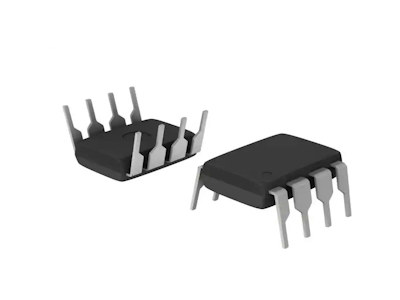
В современном мире технологии развиваются с невероятной скоростью, и одной из ключевых инноваций, которая кардинально меняет нашу повседневную жизнь, являются революционные датчики движения. Эти устройства, которые когда-то использовались лишь для простых систем безопасности, теперь интегрируются в умные дома, промышленные процессы, IoT-устройства и многое другое. В этой статье мы подробно рассмотрим, как датчики движения эволюционировали, их технологии, преимущества и то, как они открывают двери в будущее, полное автоматизации и эффективности.
Введение в мир датчиков движения
Датчики движения — это электронные устройства, которые обнаруживают движение в определенной зоне и реагируют на него, посылая сигналы для активации других систем. Их история началась в середине 20 века, когда первые инфракрасные датчики использовались для охранных систем. С тех пор технологии шагнули далеко вперед. Сегодня мы видим датчики, основанные на PIR (пассивный инфракрасный), ультразвуковых, микроволновых, и даже AI-усиленных алгоритмах, которые обеспечивают невероятную точность и надежность.
Почему они так важны? Потому что движение — это фундаментальный аспект жизни. От безопасности нашего дома до оптимизации энергопотребления в офисах, датчики движения играют crucial role. Они не только экономят энергию, автоматически выключая свет или отопление, когда никого нет, но и повышают комфорт, делая наши пространства более умными и responsive.
В этой статье мы углубимся в детали: как работают различные типы датчиков, их применение в разных сферах, преимущества, вызовы, и что ждет нас в будущем. Будьте готовы к захватывающему путешествию в мир инноваций!
История и эволюция датчиков движения
История датчиков движения началась с простых механических устройств, но настоящий прорыв произошел с развитием электроники. В 1950-х годах появились первые PIR-датчики, которые обнаруживали инфракрасное излучение от движущихся объектов. Это было революционно для систем безопасности, так как позволяло обнаруживать вторжения без физического контакта.
В 1970-х и 1980-х годах технологии улучшились с появлением ультразвуковых и микроволновых датчиков. Ультразвуковые датчики использовали sound waves для обнаружения движения, в то время как микроволновые — радиоволны. Эти методы были более точными, но и более дорогими, что ограничивало их widespread adoption.
С наступлением цифровой эры в 1990-х и 2000-х годах датчики стали умнее. Интеграция с микропроцессорами позволила добавлять функции, такие как регулировка чувствительности и фильтрация ложных срабатываний. Появление IoT (Internet of Things) в 2010-х годах открыло новую эру: датчики движения теперь могут подключаться к интернету, обмениваться данными и управляться удаленно через smartphones и cloud platforms.
Сегодня мы находимся на пороге следующей революции с датчиками, enhanced by artificial intelligence. AI-алгоритмы могут анализировать patterns движения, отличать людей от животных, и даже предсказывать behavior. Это не просто детекторы; это intelligent systems that learn and adapt.
Эволюция датчиков движения — это история constant innovation, driven by needs for security, efficiency, and convenience. От простых охранных устройств до cornerstone умных городов, они продолжают transform our world.
Как работают датчики движения: технологии и принципы
Чтобы понять революционность современных датчиков, важно разобраться в их работе. Основные типы включают PIR, ультразвуковые, микроволновые, и комбинированные датчики.
PIR (Пассивный инфракрасный) датчики: Эти датчики detect инфракрасное radiation, emitted by all objects with temperature above absolute zero. Когда человек или animal moves, они change the IR pattern, which triggers the sensor. PIR датчики энергоэффективны и inexpensive, но могут иметь ложные срабатывания from heat sources like sunlight or heaters.
Ультразвуковые датчики: Они emit high-frequency sound waves (inaudible to humans) and measure the echo. Если объект движется, echo changes, indicating motion. Эти датчики хороши для indoor use, но могут быть affected by air currents or other sounds.
Микроволновые датчики: Используют Doppler effect: они send out microwave signals and detect changes in frequency when reflected from moving objects. Очень sensitive и can cover large areas, но consume more power and can interfere with other electronics.
Комбинированные датчики: Чтобы minimize false alarms, many modern sensors combine technologies, e.g., PIR and microwave. Это позволяет cross-verify signals и повысить accuracy.
Additionally, with AI integration, датчики теперь используют machine learning для анализа данных. Например, они can distinguish between a person walking and a pet running, reducing nuisance triggers.
Принцип работы основан на detecting changes in the environment. Датчики continuously monitor their field of view и send signals to a control unit when motion is detected. Это может activate lights, alarms, or other devices.
Understanding these technologies помогает appreciate how far we've come and why современные датчики so reliable and versatile.
Применение датчиков движения в различных сферах
Революционные датчики движения нашли применение в myriad areas, transforming industries and daily life.
Умные дома: В residential settings, датчики используются для автоматического освещения, климат-контроля, и security. Например, lights turn on when you enter a room, saving energy. Security systems alert homeowners to intrusions. Smart thermostats adjust temperature based on occupancy, enhancing comfort and efficiency.
Промышленность и manufacturing: В factories, датчики monitor machinery and detect movements that could indicate malfunctions or safety hazards. Они integrated into automated systems to optimize production lines and ensure worker safety by stopping equipment when someone is too close.
Retail и commerce: Stores use motion sensors for energy management (e.g., lighting in aisles) and security against theft. Они также can track customer flow to optimize store layout and improve shopping experience.
Healthcare: В hospitals, датчики help monitor patient movement, alerting staff if someone falls or wanders. Они used in assisted living facilities to ensure safety of elderly residents.
Transportation: In vehicles, motion sensors are part of advanced driver-assistance systems (ADAS), detecting obstacles and pedestrians. In public transport, they manage doors and lighting based on passenger presence.
IoT и smart cities: Датчики являются key components of IoT networks, enabling smart street lighting, traffic management, and environmental monitoring. For example, streetlights dim when no one is around, saving energy on a city-wide scale.
These applications show how pervasive and beneficial motion sensors have become, driving efficiency, safety, and innovation across sectors.
Преимущества использования революционных датчиков движения
Adopting advanced motion sensors offers numerous benefits that justify their growing popularity.
Энергоэффективность: By automatically turning off lights, HVAC systems, and other devices when not needed, датчики significantly reduce energy consumption. Studies show that motion-activated lighting can save up to 30% energy in commercial buildings.
Повышенная безопасность: Датчики deter crime by detecting intrusions and triggering alarms. In combination with cameras and notifications, они provide real-time security updates, giving peace of mind to homeowners and businesses.
Удобство и комфорт: Automated systems based on motion sensors make life easier. Lights turn on as you walk, doors open automatically, and environments adjust to your presence without manual intervention.
Cost savings: Lower energy bills and reduced maintenance costs due to optimized usage lead to long-term financial benefits. In industrial settings, предотвращение accidents through motion detection can save costs associated with downtime and injuries.
Scalability и интеграция: Modern sensors are designed to integrate seamlessly with other smart devices and platforms via protocols like Zigbee, Z-Wave, or Wi-Fi. Это allows for scalable solutions that can grow with needs.
Data insights: Датчики collect valuable data on movement patterns, which can be analyzed to improve operations. For instance, in retail, understanding customer traffic helps in layout optimization.
These advantages make motion sensors indispensable in the quest for smarter, more efficient living and working environments.
Вызовы и ограничения
Despite their benefits, революционные датчики движения face certain challenges.
Ложные срабатывания: Traditional sensors can be triggered by pets, moving curtains, or other non-threatening movements, leading to nuisance alarms. Advanced AI helps mitigate this, but it remains a concern in some setups.
Cost: High-end sensors with AI or multiple technologies can be expensive, limiting adoption in budget-conscious scenarios.
Privacy concerns: As sensors become more pervasive, especially in homes and public spaces, there are worries about surveillance and data privacy. Regulations and ethical considerations are crucial to address this.
Technical limitations: Sensors have range and field-of-view constraints. For example, PIR sensors may not detect very slow movements, and microwave sensors can be affected by interference.
Installation and maintenance: Proper placement is key to effectiveness, and incorrect installation can reduce performance. Additionally, sensors require periodic maintenance to ensure accuracy.
Addressing these challenges through innovation and best practices is essential for wider adoption and trust in motion sensor technologies.
Будущее датчиков движения: тренды и инновации
The future of motion sensors is incredibly promising, with several emerging trends.
Integration with AI and machine learning: Sensors will become smarter, capable of predictive analytics and adaptive behavior. For example, they could learn daily routines to anticipate needs.
Miniaturization and lower power consumption: Advances in nanotechnology and battery tech will lead to smaller, more efficient sensors that can be deployed everywhere, from wearables to environmental monitors.
Enhanced connectivity: With 5G and beyond, sensors will have faster, more reliable connections, enabling real-time data processing and control in IoT ecosystems.
New sensing modalities: Research into novel methods, such as LiDAR or thermal imaging, will expand capabilities, allowing for more precise detection in various conditions.
Sustainability focus: Future sensors will be designed with eco-friendly materials and energy-harvesting techniques, like solar power, to reduce environmental impact.
Human-centric applications: In healthcare, sensors might monitor vital signs through motion analysis, offering non-invasive health tracking.
These innovations will further integrate motion sensors into the fabric of society, making our world more connected, efficient, and intelligent.
Как выбрать и установить датчики движения
Selecting the right motion sensor depends on your needs. Consider factors like application (indoor vs. outdoor), range, sensitivity, and power source. For homes, PIR sensors are popular due to cost-effectiveness. For industrial use, microwave or combined sensors offer better performance.
Installation tips: Place sensors at entry points or areas with frequent movement. Avoid direct sunlight or heat sources to prevent false alarms. Ensure the field of view covers the desired area without obstructions.
For DIY enthusiasts, many sensors come with easy setup guides and mobile app integration. Professional installation may be needed for complex systems.
Regular testing and maintenance ensure optimal performance. Clean lenses and check batteries periodically.
By choosing wisely and installing correctly, you can maximize the benefits of motion sensors in your environment.
Заключение: Embracing the Future
Революционные датчики движения — это не просто gadgets; они transformative tools that enhance security, efficiency, and quality of life. From their humble beginnings to AI-powered marvels, они continue to evolve, opening new possibilities.
As we move forward, embracing these technologies will be key to building smarter homes, cities, and industries. The future is motion-activated, and it's brighter than ever.
Invest in motion sensors today to step into a world of automation and innovation. Откройте будущее с уверенностью и удобством!
Предыдущая статья: Волшебные вибродатчики для вашего технологического прорыва
Следующий пост: Разблокируйте потоки с умными датчиками для эффективного мониторинга