

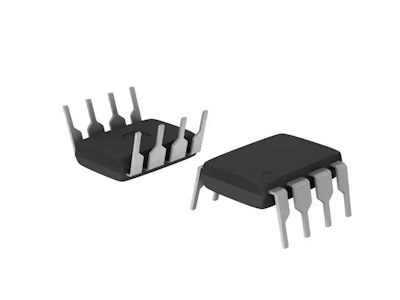
В современном мире, где технологии стремительно развиваются, безопасность и экологичность становятся ключевыми приоритетами. Газовые датчики, некогда простые устройства для обнаружения утечек, эволюционировали в сложные системы, интегрированные с интернетом вещей (IoT), искусственным интеллектом (AI) и передовыми материалами. Эта статья исследует, как газовые датчики нового поколения трансформируют промышленность, быт и общество в целом, предлагая insights into their design, applications, and future trends.
Введение: почему газовые датчики имеют значение
Газовые датчики играют crucial роль в предотвращении катастроф, таких как взрывы или отравления, вызванные утечками опасных газов like methane, carbon monoxide, or hydrogen sulfide. Традиционные датчики often relied on electrochemical or catalytic methods, but они были ограничены в точности, скорости response, and durability. Новое поколение датчиков addresses these limitations through innovations in nanotechnology, wireless connectivity, and AI-driven analytics.
For example, в промышленности, газовые датчики used in oil and gas sectors can detect leaks in real-time, reducing environmental impact and operational costs. В бытовых условиях, они integrated into smart home systems to monitor indoor air quality, alerting homeowners to potential hazards like CO poisoning. Эта статья will delve into the technical aspects, benefits, and challenges of these advanced sensors.
Технологические инновации в газовых датчиках
Нанотехнологии и новые материалы
Одним из key advancements является использование nanomaterials, such as graphene or metal-oxide semiconductors, которые offer higher sensitivity and selectivity. Graphene-based sensors, for instance, can detect gases at parts-per-billion levels, making them ideal for environmental monitoring. Эти материалы also enable miniaturization, allowing sensors to be embedded in wearable devices or drones for mobile gas detection.
Additionally, developments in polymer composites and optical sensors have improved durability and reduced false alarms. Optical sensors use infrared or laser spectroscopy to identify gases based on their absorption spectra, providing non-invasive and highly accurate measurements. This is particularly useful in hazardous environments where direct contact is risky.
Интеграция с IoT и облачными технологиями
Современные газовые датчики are often part of IoT ecosystems, connecting to cloud platforms for data aggregation and analysis. This allows for remote monitoring and predictive maintenance. For instance, in smart cities, networks of gas sensors can track pollution levels and provide real-time data to authorities for decision-making. Cloud integration also facilitates machine learning algorithms that can predict gas leaks based on historical data, enhancing proactive safety measures.
Example: A system in a manufacturing plant might use IoT-enabled sensors to monitor methane levels. If a leak is detected, alerts are sent via SMS or app notifications, and data is stored in the cloud for further analysis to identify patterns and prevent future incidents.
Применения в различных секторах
Промышленность и энергетика
В oil and gas industry, газовые датчики are critical for safety and compliance. Новые датчики can operate in extreme conditions, such as high temperatures or corrosive environments, thanks to robust materials. They help in leak detection during drilling, transportation, and storage, reducing the risk of explosions and minimizing environmental damage. Additionally, in renewable energy sectors like biogas production, sensors monitor gas composition to optimize processes.
Case study: A major oil company implemented AI-powered gas sensors across its facilities, resulting in a 30% reduction in incident response time and significant cost savings on maintenance.
Умный дом и гражданская безопасность
Для домашнего использования, газовые датчики integrated into smart home hubs can detect carbon monoxide, natural gas, or radon. These devices often connect to smartphones, allowing users to receive alerts even when away from home. This enhances personal safety and peace of mind. Moreover, in public spaces like schools or hospitals, advanced sensors ensure air quality standards are met, protecting vulnerable populations.
Example: Smart detectors like Nest Protect use multiple sensors and algorithms to distinguish between real threats and false alarms, such as from cooking smoke, improving reliability.
Экологический мониторинг
Газовые датчики нового поколения are pivotal in environmental protection. They are deployed in networks to monitor air quality in urban areas, detecting pollutants like NO2, SO2, and ozone. Data from these sensors can inform policy decisions and public health initiatives. In agriculture, sensors help manage greenhouse gas emissions from farms, contributing to sustainability efforts.
Statistics: According to the World Health Organization, air pollution causes millions of premature deaths annually. Advanced gas sensors enable real-time monitoring and intervention, potentially saving lives.
Вызовы и будущие тенденции
Несмотря на advancements, challenges remain. Cost can be a barrier for widespread adoption, especially in developing regions. Calibration and maintenance require expertise, and cybersecurity risks arise with IoT integration. However, ongoing research aims to make sensors more affordable and user-friendly.
Future trends include the development of multi-gas sensors that can detect multiple contaminants simultaneously, and the integration with blockchain for tamper-proof data logging. Additionally, AI will continue to enhance predictive capabilities, making sensors smarter and more autonomous.
Vision: In the near future, we might see gas sensors embedded in everyday objects, from cars to clothing, creating a seamless safety net against gas-related hazards.
Заключение
Газовые датчики нового поколения represent a significant leap forward in technology, offering enhanced safety, efficiency, and environmental benefits. Their integration with IoT and AI not only improves detection capabilities but also enables proactive measures that can prevent disasters. As these technologies evolve, they will play an increasingly vital role in shaping a safer and more sustainable world. Investing in and adopting these innovations is crucial for industries, governments, and individuals alike.
Эта статья aimed to provide a comprehensive overview, but the field is rapidly changing. Stay informed about the latest developments to fully leverage the potential of next-generation gas sensors.
Предыдущая статья: Сенсор звука новый прорыв в технологиях безопасности
Следующий пост: Как выбрать подходящий экологический сенсор для дома